




Roulette Strategies Tested: Martingale, Fibonacci and More
Roulette has inspired more betting systems than any other casino game. Some are centuries old, and all of them promise a way to beat the wheel. The truth is simpler: no betting system changes the house edge. What a system does change is how you win and lose – frequent small wins with rare big losses, or the other way round.
Below we explain the most popular strategies, show how each one works and point out its risks. If you are new to the game, read how to play roulette first.
Why No System Beats Roulette
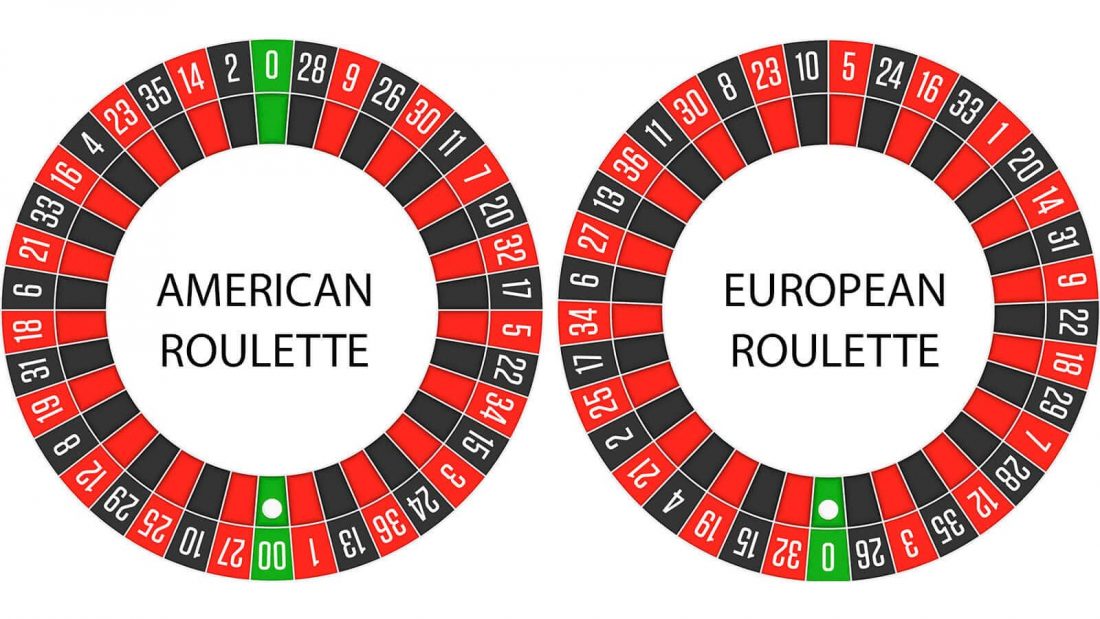
Every spin is independent. On a European wheel, every bet has a house edge of 2.70%, because the zero is not covered by outside bets and straight-up wins pay 35 to 1 instead of the fair 36 to 1. Changing the size or order of your bets does not change that number – the average cost of £100 of bets is still £2.70.
So treat any strategy as a way to structure your session, not as a way to make money.
Martingale
How it works: bet on an even-money option such as red. Double your stake after every loss; go back to your starting stake after a win.
Example: £5 loses, £10 loses, £20 loses, £40 wins. You have bet £75 in total and get £80 back – a profit of £5, your original stake.
The risk: losing streaks happen more often than people expect. Ten losses in a row from £5 means a £5,120 bet – and table limits usually stop you before then. Martingale wins small amounts most of the time and occasionally loses everything.
Reverse Martingale (Paroli)
How it works: double your stake after each win and return to your base stake after a loss. Many players stop after three wins in a row and bank the profit.
The risk: lower than Martingale, because you only increase stakes with winnings. But most sequences end with a loss that wipes out the run’s profit.
Fibonacci
How it works: stakes follow the Fibonacci sequence – 1, 1, 2, 3, 5, 8, 13, 21… After a loss, move one step forward; after a win, move two steps back.
The risk: stakes rise more slowly than Martingale, but a long losing run still leads to big bets, and a win does not always recover all previous losses.
D’Alembert
How it works: add one unit to your stake after a loss and take one unit off after a win.
The risk: the gentlest progression of the lot. It relies on wins and losses “balancing out”, which they do not have to do in the short term.
Flat Betting and Coverage Bets
Flat betting – the same stake every spin – is the simplest approach and the easiest to control. Your losses grow slowly and predictably.
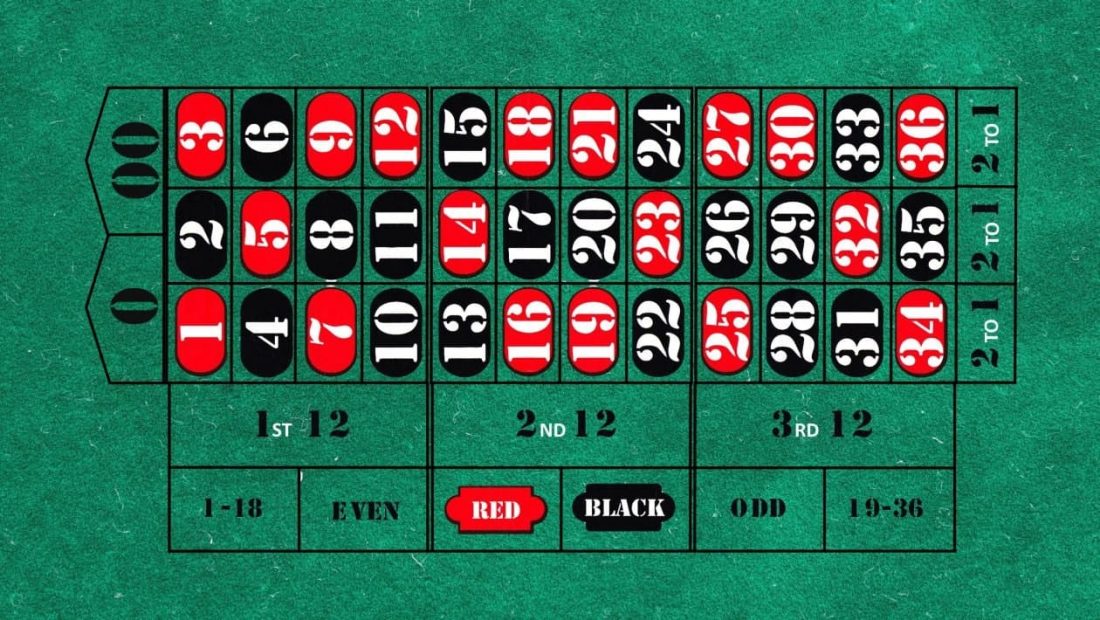
Coverage bets such as the “James Bond” system spread chips across many numbers: for example £14 on 19–36, £5 on the six line 13–18 and £1 on zero. You win on most spins, but when the ball lands on 1–12 you lose the whole £20. Covering more numbers raises the chance of a win; it does not change the house edge.
What Actually Helps
- Play European or French roulette. The single zero cuts the house edge from 5.26% to 2.70% – and La Partage halves it on even-money bets.
- Set a session budget and a win target. Stop when you reach either.
- Keep stakes small compared with your budget, especially with progressive systems.
- Know the table limits before you start any doubling system.
- Practise in demo mode to see how a system behaves before you use real money.
Ready to play? Compare sites in our guide to the best online roulette casinos.